You’re lucky if you
Walked in a house that raised you, memories full of laughter and cries of children dancing
Your foot not even through the door yet
An aroma of nutmeg, cumin, and cardamoms, wafting from the kitchen reaches you
Your lucky
If you got ready and heard beads clinking
Fabric; a mix of swirls and designs all shades of red, blue, pink, and purple rustling against your knees
Tiny crystal-like bells of Jhumka’s hitting against one another, their melodies traveling to your ear
You’re lucky
If you wake up on a Saturday morning
To find your mom kneading the dough, warm sunlight from the windows tanning her hands
The thick red sauce which slathered the Chickpeas waiting on the stove
Next to a brimming pot of thick, creamy Chai
Fried eggs on the table, their yolks pushing against the top, the egg white speckled with pepper and salt
Crisp, buttery parathas on the side, hot from coming freshly off the stove
You’re lucky if
Saying salaam is the norm, expecting and delivering it to your close one’s a habit
Wearing the hijab, with all its splendor of color and different kinds of fabric, is identity
Taking off your shoes is culture, one embodied into you from a young age
Wearing churiyan, over bracelets is personality, the gold bangles never disappointing
You’re lucky
Carrying their dreams on your back to school and after
Yet afraid to make your own-because you’re not sure if the sky is truly limitless or all a delusion
You’re lucky
If your hometown is a 12-hour flight away, because
The unknown always held more interest than fear
Cousins; older with stern looks, and smaller bright-eyed, the look only the innocent who hadn’t met the world yet held
Aunts and uncles with open arms and baskets of sweets waiting
Your country a dream to them and theirs, a sense of home you were unaware of
Your lucky
Coming from a place of deep, green mountains, clear, blue rivers, of gardens full of all kinds of flowers, yet sand dunes, holding against the outrageous sun, stand on the other side
Your country, built by those
Of hard labor, their sweat and hard work poured into the land rich with possibilities
Your lucky
Coming from a
A country whose heart, beats for their art
And mind which dreams reigned across oceans
You’re lucky
Because when you look in the mirror
And see
The face sculpted by parents who worked long hours and sleepless nights to reach the heights
That bought you your luxury
You should smile
For those before you who were too busy to do so
Smile bright enough to steal the stars
And shock the sun
My Culture
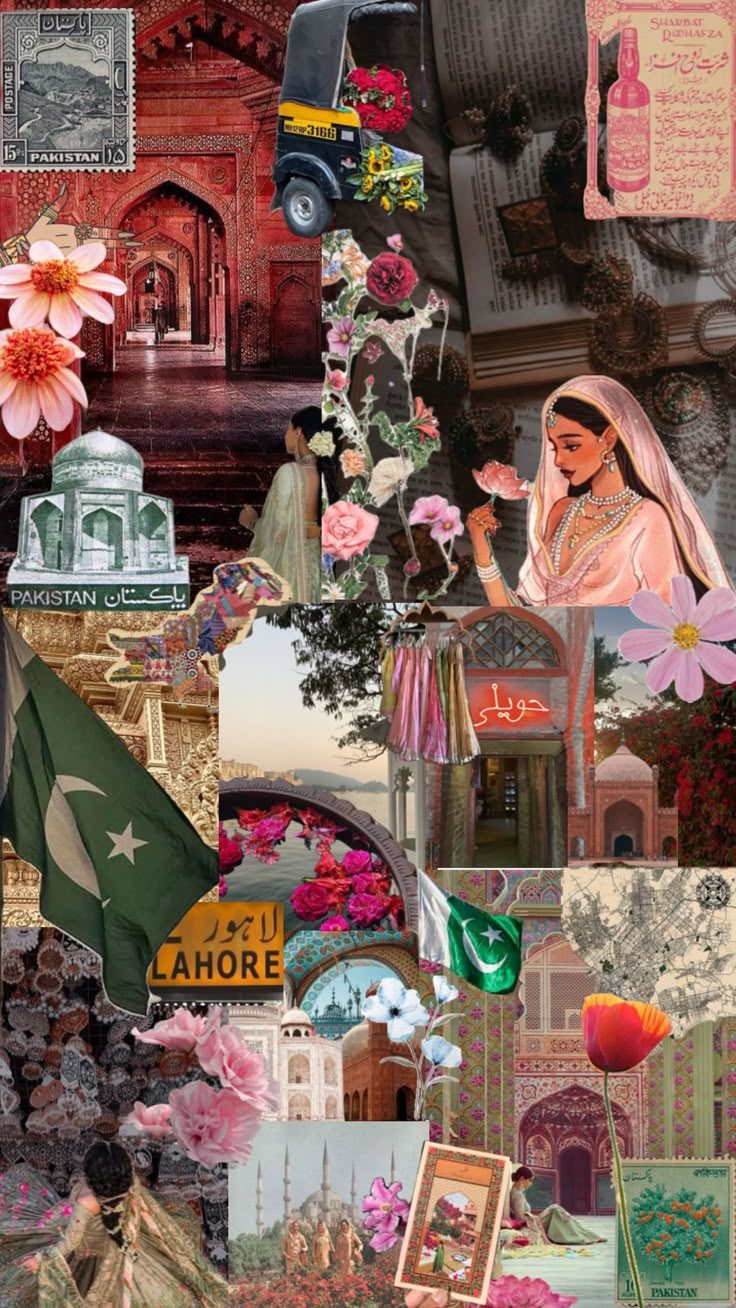
How did this poem make you feel?
Community Score
2 votes
Log in to vote on this poem.
Poem Analysis
This analysis is provided as optional literary feedback. Community voting remains the primary ranking method.
The poem is a heartfelt exploration of cultural heritage and familial bonds, expressed through vivid sensory details and personal reflections. It captures the essence of gratitude and identity, weaving together memories and cultural practices with a sense of nostalgia and pride. The artistic value lies in its ability to evoke a strong sense of place and belonging, despite some technical inconsistencies.
Strengths
- The poem excels in sensory imagery, particularly in lines like 'An aroma of nutmeg, cumin, and cardamoms, wafting from the kitchen reaches you,' which vividly evoke the smells of home.
- It effectively conveys cultural identity through specific details, such as 'Wearing the hijab, with all its splendor of color and different kinds of fabric, is identity.'
- The emotional depth is palpable in lines like 'The face sculpted by parents who worked long hours and sleepless nights to reach the heights,' which underscore themes of sacrifice and gratitude.
Areas for Improvement
- The poem suffers from inconsistent grammar, notably in the repeated incorrect use of 'Your lucky' instead of 'You're lucky.'
- There is a lack of clear structural organization, as the poem's free verse form sometimes leads to a meandering quality without clear stanza breaks.
Imagery
The poem is rich with sensory details that create a vivid tapestry of cultural and familial life. The use of culinary imagery, such as 'thick red sauce which slathered the Chickpeas' and 'brimming pot of thick, creamy Chai,' evokes a warm, inviting atmosphere. Visual imagery is also prominent, with descriptions of 'fabric; a mix of swirls and designs all shades of red, blue, pink, and purple,' painting a vibrant picture of cultural attire. These images are complemented by auditory elements, like 'Tiny crystal-like bells of Jhumka’s hitting against one another,' which add a musical quality to the poem.
Structure
The poem is written in free verse, lacking a consistent meter or rhyme scheme, which allows for a conversational tone. However, this choice also results in a somewhat disjointed flow, as the lack of stanza breaks or punctuation can make it difficult to discern shifts in focus or theme. The repetition of 'You’re lucky' serves as a refrain, providing a sense of cohesion and emphasizing the theme of gratitude.
Language & Craft
The diction is accessible and conversational, with a tone that balances nostalgia and pride. The use of cultural references, such as 'salaam' and 'churiyan,' enrich the poem's authenticity and voice. However, the poem's impact is occasionally undermined by grammatical errors, such as the repeated misuse of 'Your lucky.' Despite this, the poem employs effective alliteration and assonance, as seen in 'smile bright enough to steal the stars,' enhancing its lyrical quality.
Emotional Impact
The poem resonates emotionally through its exploration of identity, family, and cultural heritage. It successfully evokes feelings of nostalgia and gratitude, particularly in its reflections on parental sacrifice and cultural traditions. The emotional depth is enhanced by the personal nature of the reflections, inviting the reader to share in the speaker's sense of pride and connection to their roots.
Generated by Openai (gpt-4o) on Nov 17, 2026 14:22
Comments
Log in to leave a comment.
No comments yet. Be the first to share your thoughts!