The Body Is Not a Place to Forget

Contemporary / Modern Poetry Human Written by pradeep ·
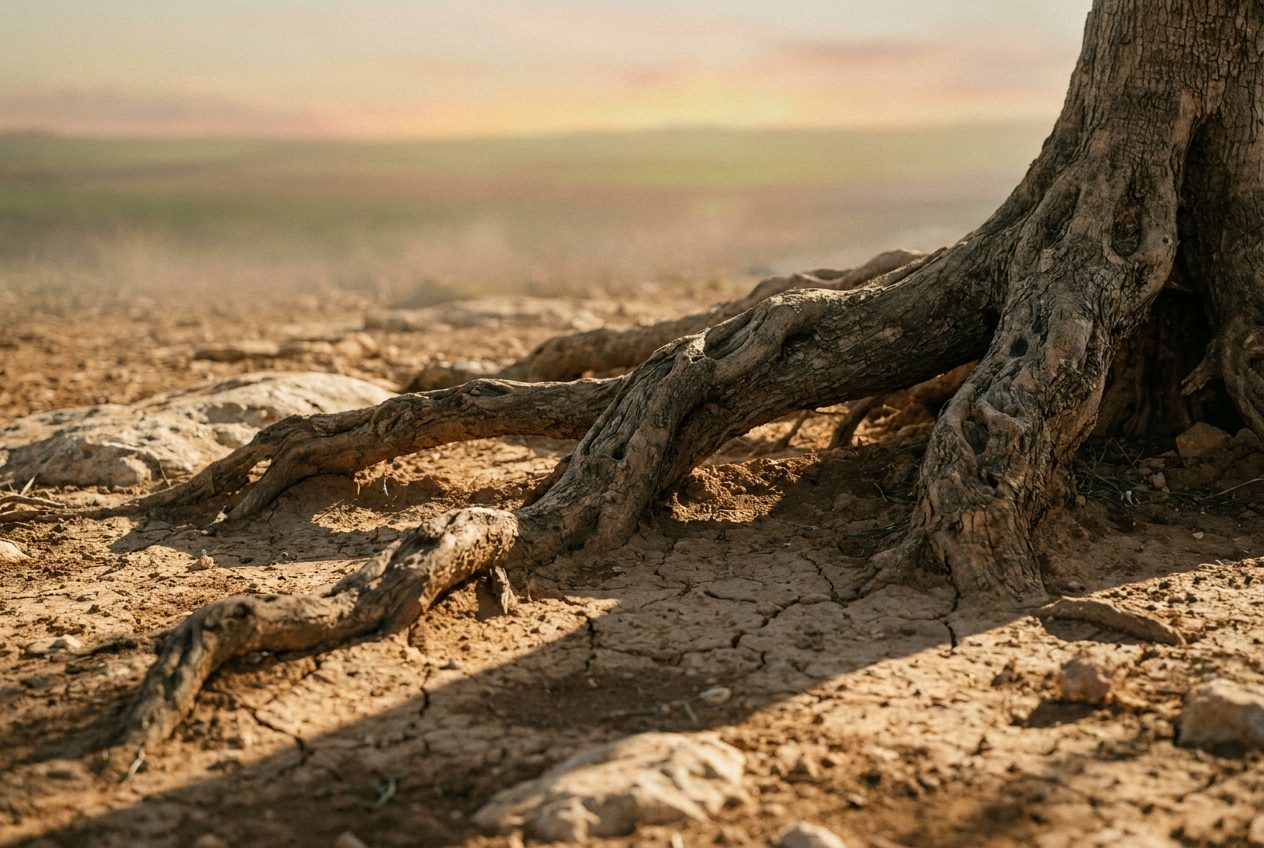
Image for The Body Is Not a Place to Forget

The Body Is Not a Place to Forget
Morning continues somewhere—
a cup held without shaking,
a name answered the first time.

Here,
the body is kept
where the law no longer speaks—

its mouth closed,
its tongue taken—

and the room fills
with instructions
that never learn mercy.

They beat
until the bones answer
in a sound not made for them.

Light—too bright—
drills into the skull.

Cold—too sharp—
sets inside the joints.

Dark—too long—
grows teeth.

They call it waiting.
The body knows.

Some stand for hours
under water cold enough
to take the skin first,
then the thought.

Rain, elsewhere,
touches the ground
and leaves nothing behind.

Others are buried in the earth
up to the neck—

sand entering the mouth
before air can return.

The same earth, elsewhere,
opens for roots.

There are rooms where dogs
move at a word.

Bodies are dragged forward,
opened past themselves,
past the last boundary
they could name.

A hand, somewhere,
rests on a shoulder
and does not press.

The camera remains awake.
Laughter does not stop.

It repeats.

Across rooms.
Across cities.
Across bodies.

Each one learning
how quickly a body
becomes something
that absorbs pain
and is required to remain.

Hands pass the edge of skin.

Objects speak
inside the body.

Elsewhere is quiet—
not peaceful,
only untouched.

Threats travel outward—
into homes,
into the dead.

Blood.
Bone.
What can be taken.

The ground
does not keep count.

Some are returned
in fragments—

a tooth,
a piece of bone.

At certain tables,
names are spoken
as if they might still arrive.

The rest remain
without witness.

A day meant for light
ends in a room that hums.

Glass breaks.

What was beginning
does not continue.

Where there were places of prayer,
there is rubble.

Stone remains.
What it carried
does not.

On the sea,
names were carried in breath.
They are taken from the water,
struck,
dragged,
bound—

their bodies arranged
into shapes
light does not take in.

The hunger strike
is a language.

The body turns
against itself
to be heard.

Bruise.
Fracture.
Mark.

The body is named
and unmade
by that name.

A voice blesses the night.
If the body is not sacred,
nothing is withheld.

What happens
is given other words:

war.
conflict.
complex.

The body remains
behind them.

And still—

breath continues.

A door opens somewhere
without fear.

The boat returns.
The body returns
carrying what was done
without end.

If you hear
and remain still,
the silence
continues it.

Not only in the room,
not only in the cell,
not only in the sea—

but here:

where the body
is broken again
by not being kept.

About This Poem

This poem was inspired by the emotional experience of witnessing ongoing political violence through news, testimony, and media fragments, and by the struggle to process such exposure without becoming numb to it. It emerges from sustained engagement with accounts of harm, displacement, and bodily suffering, where repetition begins to reshape perception and collapse individual events into a continuous pattern. The writing reflects the tension between documentation and emotion, and the difficulty of translating what is witnessed into language without reducing its weight or complexity.

How did this poem make you feel?

Share:

Community Score

out of 10

0 votes

Log in to vote on this poem.

Optional AI-generated literary feedback.

Poem Analysis

This analysis is provided as optional literary feedback. Community voting remains the primary ranking method.

Analysis Available

This poem offers a haunting exploration of the body's vulnerability and resilience in the face of violence and trauma. With its stark imagery and poignant language, it captures the physical and emotional toll of suffering, while also hinting at the enduring spirit of survival. The poem's artistic value lies in its ability to evoke a visceral response through its detailed depiction of pain and endurance.

Strengths

  • The poem's imagery is striking and evocative, particularly in lines like 'Light—too bright— / drills into the skull' and 'Cold—too sharp— / sets inside the joints.'
  • The poem effectively uses repetition to emphasize the persistence of suffering, as seen in 'It repeats. / Across rooms. / Across cities. / Across bodies.'
  • The language is powerful and precise, with phrases like 'The body is named / and unmade / by that name' capturing the complex relationship between identity and trauma.

Areas for Improvement

  • The poem's length and density might overwhelm some readers, potentially diluting its emotional impact.
  • The lack of a clear narrative arc or resolution may leave readers searching for a more definitive conclusion or message.

Imagery

The poem relies heavily on vivid and often unsettling imagery to convey the physical and psychological impact of trauma. Metaphors such as 'Dark—too long— / grows teeth' and 'sand entering the mouth / before air can return' create a sense of suffocation and entrapment. The sensory details, like 'a cup held without shaking' and 'a hand, somewhere, / rests on a shoulder / and does not press,' juxtapose moments of stillness with violence, enhancing the tension throughout the poem.

Structure

The poem is structured in free verse, with irregular line lengths and stanza breaks that contribute to its fragmented and disjointed feel, mirroring the theme of brokenness. The lack of a consistent rhyme scheme or meter allows the poem to flow organically, reflecting the unpredictable nature of the experiences it describes. The use of enjambment, particularly in lines like 'A day meant for light / ends in a room that hums,' emphasizes the continuation of suffering beyond the confines of the stanza.

Language & Craft

The diction is carefully chosen to evoke a sense of stark reality and raw emotion. Words like 'fracture,' 'bruise,' and 'mark' are direct and unflinching, contributing to the poem's somber tone. The voice is authoritative yet empathetic, guiding the reader through the narrative with a sense of urgency. Alliteration and assonance, as in 'breath continues' and 'stone remains,' provide a subtle musicality that contrasts with the harsh subject matter.

Emotional Impact

The poem's emotional impact is profound, as it immerses the reader in the visceral experience of pain and endurance. The relentless depiction of suffering, coupled with moments of quiet resistance, creates a powerful tension that resonates deeply. However, the poem's abstract nature and lack of specific context may distance some readers from fully engaging with its emotional depth.

Generated by Openai (gpt-4o) on May 02, 2026 13:45

Comments

Log in to leave a comment.

No comments yet. Be the first to share your thoughts!

More from pradeep

View all poems by pradeep

Related Poems in Contemporary / Modern Poetry

Better. by Marie · May 10, 2026
The Shell They Taught Me to Inherit by pradeep · May 03, 2026
We Were the Material It Was Built From by pradeep · May 02, 2026
Angle Boy by skgracer · Apr 30, 2026