While drones and missiles ravage air, water, and land,
It is humanity itself that must take a stand.
Rather than fighting for oil and mineral resources,
It is time to work for the environment and join our forces.
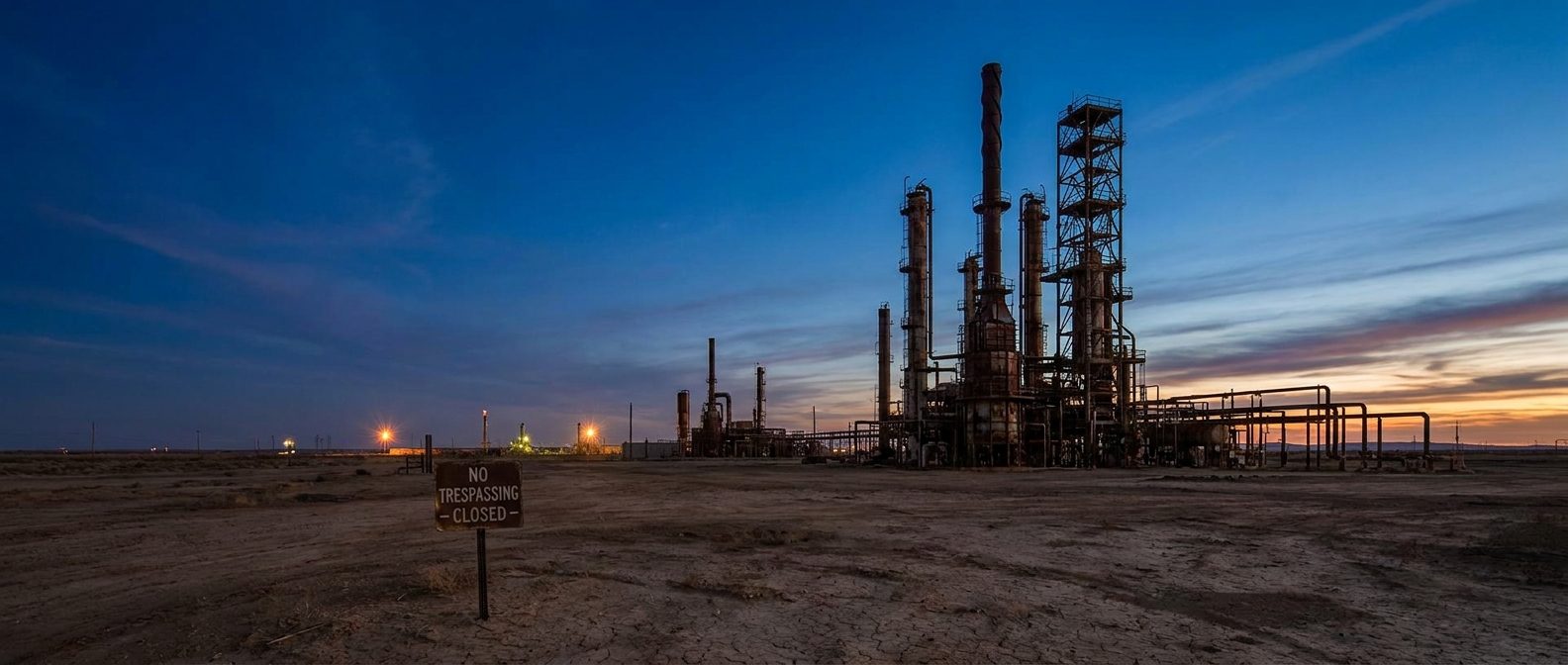
Strikes on refineries release toxic pollutants and choke the air,
Such environmental damage is really hard to repair.
Fragile marine ecosystems and fisheries are under threat,
Attacks on ports and war nobody should abet.
War leaves behind heavy metals and unexploded materials,
This may lead to soil pollution affecting agriculture for years.
Oil fires and military operations generate carbon dioxide and other GHG gases,
Undermining global climate mitigation efforts for the masses.
Air pollution and marine contamination do not respect national borders,
Severely affecting the whole world and the global commons.
Canons Roar, Earth Cries
How did this poem make you feel?
Community Score
0 votes
Log in to vote on this poem.
Poem Analysis
This analysis is provided as optional literary feedback. Community voting remains the primary ranking method.
The poem addresses the environmental consequences of war, emphasizing the need for humanity to prioritize ecological preservation over conflict. It effectively highlights the interconnectedness of global ecosystems and the far-reaching impact of military actions on the environment.
Strengths
- The poem's central theme of environmental destruction due to war is timely and important, urging readers to reconsider priorities (lines 1-4).
- It effectively uses specific examples, such as 'Strikes on refineries' and 'Fragile marine ecosystems,' to illustrate the environmental impact (lines 5-7).
- The poem's call to action is clear and compelling, encouraging unity in environmental efforts (lines 3-4).
Areas for Improvement
- The poem's language can be overly didactic, lacking subtlety in its message (e.g., 'It is humanity itself that must take a stand').
- There is a lack of vivid imagery, which could enhance the emotional impact and engagement with the reader.
Imagery
The poem uses straightforward language with limited imagery, primarily focusing on factual descriptions of environmental damage. While it mentions 'toxic pollutants' and 'oil fires,' these elements are not expanded into more vivid or sensory details that could deepen the reader's engagement with the environmental theme.
Structure
The poem is structured as a series of couplets, each presenting a cause and effect related to war and environmental damage. This structure supports the logical progression of the argument but lacks variation in form that might add dynamism or tension to the reading experience.
Language & Craft
The diction is direct and factual, with a tone that is earnest and urgent. The poem employs repetition of environmental themes but lacks linguistic techniques such as alliteration or assonance that might enhance its musicality or memorability.
Emotional Impact
The poem's emotional impact is somewhat muted due to its focus on factual exposition rather than personal or emotional engagement. While the theme is critical, the delivery could benefit from more evocative language to resonate more deeply with the reader.
Generated by Openai (gpt-4o) on Apr 22, 2026 09:58
Comments
Log in to leave a comment.
No comments yet. Be the first to share your thoughts!