the weight we cannot leave

Contemporary / Modern Poetry Human Written by Deia ·
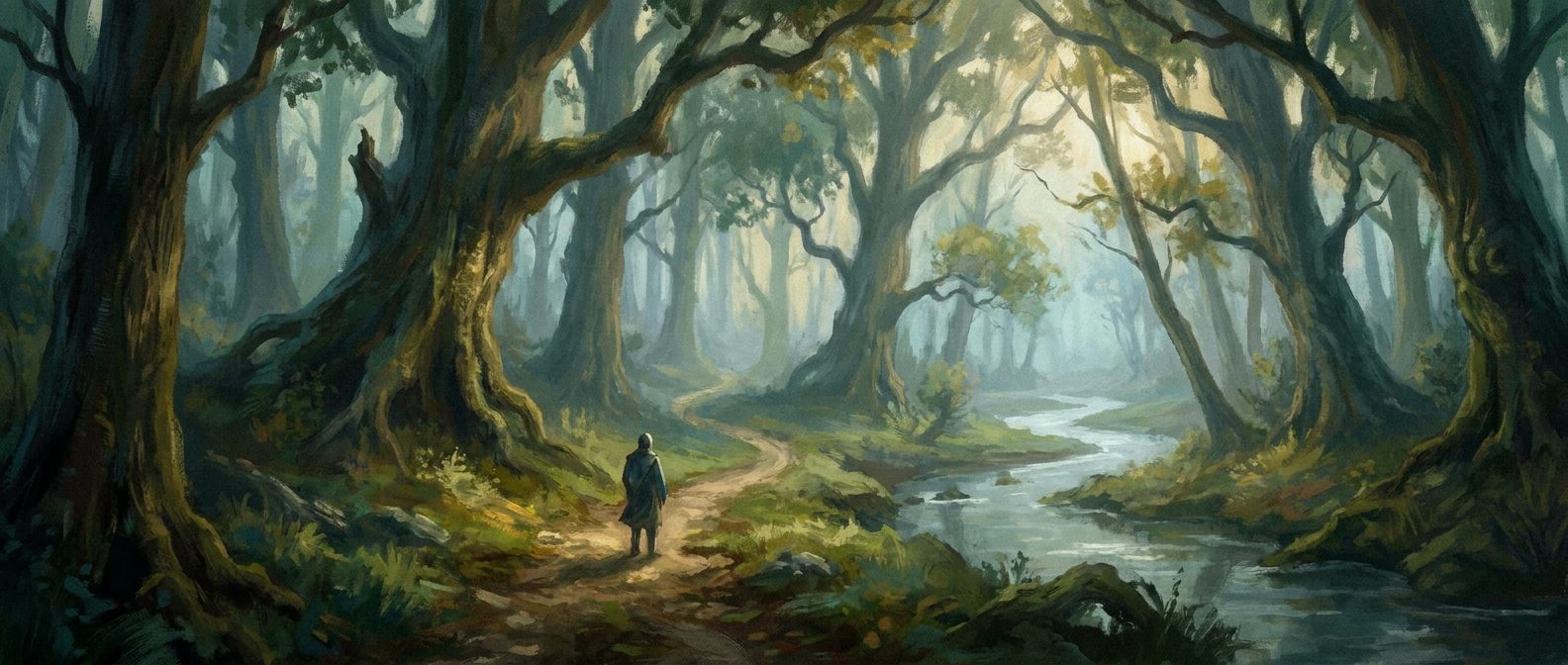
Image for the weight we cannot leave

Melanthe:

Theon, the nights are long and cold,

the world feels dim, the stars look old.

How do you bear a heart that’s torn,

and walk through days so frayed and worn?

Theon:

I do not bear it, not alone—

I let it walk, a shadow grown.

It trails me close through dusk and dawn,

a silent friend that lingers on.

Melanthe:

But it bites my bones, it tears my skin,

I want to cast it out, lock it in.

To fling it far where waves can keep,

and drown it deep in endless sleep.

Theon:

Yet seas return what we let go,

loss rides each tide, it learns to grow.

It seeps like salt in wounds unhealed,

a ghost the years cannot conceal.

Melanthe:

Then is there hope? Or only pain,

a winter that will not refrain?

Theon:

Hope is not in forgetting’s art—

but setting a place in the home of your heart

To hum their song through the tremor and ache,

to honor the bonds that nothing can break.

Melanthe:

And will this ache ever fade away?

Theon:

It shifts, it blooms in its own strange way.

A garden of wild, untamed hue—

watered by love, and remembered by you.

-Deia

About This Poem

The two of these characters were born out of my fascination for Greek mythology.
Inspired by the relationship between Lord Krishna and Parth and the dialogue between them in the Bhagawad Gita, Melanthe comes to Theon with her queries in life. These are their introductions:

Theon of Delos is an old philosopher with eyes like bronze in sunlight,
hands stained by ink, herbs, and gold dust.
Once a wanderer among temples,
now a seeker of truth who shapes wisdom
like an alchemist shapes metal —
slowly, patiently, until it shines.

Melanthe —
a sea-born nymph, a dark flower of the waves.
She was given the role of a muse —
to whisper words into the hearts of poets,
but never to write her own.
Her mind carries whole storms of stories,
but her lips are tied by the rules of others.

How did this poem make you feel?

Share:

Community Score

out of 10

0 votes

Log in to vote on this poem.

Optional AI-generated literary feedback.

Poem Analysis

This analysis is provided as optional literary feedback. Community voting remains the primary ranking method.

Analysis Available

The poem 'Melanthe' by Deia explores themes of loss, memory, and the endurance of emotional bonds through a dialogue between two characters. It employs rich imagery and a conversational structure to convey the complexity of grief and the hope found in remembrance.

Strengths

  • The poem uses evocative imagery, such as 'a garden of wild, untamed hue' (line 20), to illustrate the transformation of grief.
  • The dialogue format effectively captures the exchange of perspectives on coping with loss, adding depth to the emotional exploration.
  • The poem's language is lyrical and rhythmic, particularly in lines like 'Hope is not in forgetting’s art— / but setting a place in the home of your heart' (lines 15-16).

Areas for Improvement

  • The poem occasionally relies on familiar metaphors, such as 'drown it deep in endless sleep' (line 10), which may feel clichéd.
  • The emotional progression can seem predictable, as the dialogue leads to a somewhat expected resolution of hope and remembrance.

Imagery

The poem is rich in visual and sensory imagery, using metaphors like 'a shadow grown' (line 6) to depict the omnipresence of grief. The sea is a recurring image, symbolizing the cyclical nature of loss and memory, as seen in 'seas return what we let go' (line 11). The final stanza's garden imagery ('a garden of wild, untamed hue') suggests the organic, evolving nature of emotional pain, transformed by love and memory.

Structure

The poem is structured as a dialogue between two characters, Melanthe and Theon, with alternating stanzas. This conversational form allows for a dynamic exploration of perspectives. The poem lacks a consistent rhyme scheme, opting instead for a loose, lyrical rhythm that complements the emotional tone. The stanza breaks serve to emphasize the shifts in dialogue and thematic focus.

Language & Craft

The diction is carefully chosen, blending a formal tone with accessible language. The use of alliteration ('bites my bones,' line 9) and assonance ('loss rides each tide,' line 12) enhances the musical quality of the poem. The voice is contemplative, with a tone that balances melancholy with a sense of resilience.

Emotional Impact

The poem resonates emotionally by capturing the universal experience of grief and the search for hope. The dialogue format invites the reader to engage with the characters' introspection, offering a sense of shared understanding. The conclusion, which frames remembrance as a form of love, provides a poignant resolution that is both comforting and thought-provoking.

Generated by Openai (gpt-4o) on Apr 29, 2026 15:08

Comments

Log in to leave a comment.

No comments yet. Be the first to share your thoughts!

More from Deia

residual smoke Apr 29, 2026
View all poems by Deia

Related Poems in Contemporary / Modern Poetry

Angle Boy by skgracer · Apr 30, 2026
Diet coke by doofus_99 · Apr 29, 2026
residual smoke by Deia · Apr 29, 2026
I think it was real (I have no evidence) by doofus_99 · Apr 28, 2026